
Biological Classification for NEET: Class 11 Chapter 2 Guide
Biological classification is Chapter 2 of NCERT Class 11 Biology, and for NEET it is the second bullet of Unit 1, Diversity in Living World. It is the sorting of living organisms into kingdoms by cell type, cell wall, body organisation, mode of nutrition and reproduction, using R.H. Whittaker's five kingdom system. This guide maps biological classification to the NMC syllabus, puts Monera, Protista and Fungi into tables, and lists the traps that cost marks.
What is biological classification in NEET?
Biological classification in NEET is the five kingdom system as NCERT Class 11 Biology Chapter 2 teaches it: Monera, Protista, Fungi, Plantae and Animalia, plus the acellular agents that fit none of them (viruses, viroids, prions) and lichens. Questions test kingdom features, group examples, fungal spores, protist traits and virus facts.
The chapter opens with a short history that NEET likes to turn into statement questions. Aristotle was the earliest to try a scientific basis: plants as trees, shrubs and herbs, animals with or without red blood. In Linnaeus's time came the two kingdom system, Plantae and Animalia. It failed because it did not separate prokaryotes from eukaryotes, unicellular from multicellular organisms, or photosynthetic green algae from non-photosynthetic fungi.
R.H. Whittaker proposed the five kingdom classification in 1969. NCERT also mentions the three-domain system, which splits Monera into two domains and gives a six kingdom classification, but says you will study it "in higher classes". Know that it exists; do not expect detail.
Is biological classification deleted for NEET?
No. Biological classification is not deleted for NEET. The NMC syllabus for NEET (UG) 2026, dated 22 December 2025, keeps it word for word in Biology Unit 1: "Five kingdom classification; salient features and classification of Monera; Protista and Fungi into major groups; Lichens; Viruses and Viroids."
| Syllabus phrase (Unit 1, bullet 2) | Where NCERT teaches it | What questions ask |
|---|---|---|
| Five kingdom classification | Chapter opening and Table 2.1 | Criteria, cell wall, nutrition, who proposed it |
| Monera | Section 2.1 | Bacterial shapes, archaebacteria, cyanobacteria, mycoplasma |
| Protista | Section 2.2 | Five groups, their walls, flagella and examples |
| Fungi | Section 2.3 | Four classes, spores, mycelium, examples |
| Lichens | Section 2.6 | Phycobiont, mycobiont, pollution indicator |
| Viruses and Viroids | Section 2.6 | Genetic material, TMV, discoverers, viroid RNA |
Two details are worth noticing. The syllabus names viruses and viroids but not prions, while the NCERT section heading is "Viruses, Viroids, Prions and Lichens". Read the prion paragraph anyway; it is three sentences long. And the NEET (UG) 2026 information bulletin answers "Is there any change in the syllabus?" with "No, there is no change". NTA's examination calendar runs to April 2027 and lists no NEET (UG) 2027 date yet, so the 2026 text is the latest official version on 17 November 2026. Our NEET Biology syllabus guide shows all ten units, and the NEET deleted syllabus guide covers what was actually trimmed.
What are the 7 categories of biological classification?
The 7 categories are species, genus, family, order, class, phylum (division for plants) and kingdom, from lowest to highest. They form the taxonomic hierarchy. Here is the catch: NCERT teaches them in Chapter 1, The Living World (section 1.2, Taxonomic Categories), not in the biological classification chapter.
That matters for two reasons. If you revise only Chapter 2 you will miss the hierarchy, and the syllabus does ask for it: "Concept of species and taxonomical hierarchy" is the first bullet of Unit 1. Second, Chapter 1 says the number of known and described species is between 1.7 and 1.8 million, which explains why a ranked system is needed at all. Revise the two chapters as a pair: hierarchy first, kingdoms second.
What does the five kingdom table say?
Table 2.1 is the single most useful table in biological classification. Learn it across the rows, because questions pick one row and swap a cell between kingdoms.
| Character | Monera | Protista | Fungi | Plantae | Animalia |
|---|---|---|---|---|---|
| Cell type | Prokaryotic | Eukaryotic | Eukaryotic | Eukaryotic | Eukaryotic |
| Cell wall | Noncellulosic (polysaccharide and amino acid) | Present in some | Present, with chitin | Present (cellulose) | Absent |
| Nuclear membrane | Absent | Present | Present | Present | Present |
| Body organisation | Cellular | Cellular | Multicellular or loose tissue | Tissue or organ | Tissue, organ or organ system |
| Mode of nutrition | Autotrophic (chemosynthetic and photosynthetic) and heterotrophic | Autotrophic (photosynthetic) and heterotrophic | Heterotrophic (saprophytic or parasitic) | Autotrophic (photosynthetic) | Heterotrophic (holozoic, saprophytic) |
Why did fungi get their own kingdom? Older systems lumped bacteria, blue green algae, fungi, mosses, ferns and seed plants together as "plants" because all had a cell wall. Fungi have chitin in their walls and are heterotrophic, while green plants have cellulose walls and make their own food. Once those differences counted, fungi moved out. The same logic put Chlamydomonas and Chlorella (with walls) in Protista next to Paramoecium and Amoeba (without walls).
Kingdom Monera: what do bacteria include?
Kingdom Monera contains only bacteria, the most abundant micro-organisms, and NCERT says bacteria as a group show the most extensive metabolic diversity. They come in four shapes: coccus (spherical), bacillus (rod), vibrio (comma) and spirillum (spiral). Most are heterotrophs; some are photosynthetic or chemosynthetic autotrophs.
| Group | Key feature in NCERT | Examples or facts |
|---|---|---|
| Archaebacteria | Different cell wall structure, survive extreme habitats | Halophiles (salty areas), thermoacidophiles (hot springs), methanogens (marshes, gut of cows and buffaloes, make methane or biogas) |
| Cyanobacteria | Chlorophyll a, photosynthetic autotrophs, gelatinous sheath | Nostoc and Anabaena fix nitrogen in heterocysts; form blooms in polluted water |
| Chemosynthetic autotrophs | Oxidise nitrates, nitrites, ammonia for ATP | Recycle nitrogen, phosphorus, iron, sulphur |
| Heterotrophic bacteria | Most abundant, mostly decomposers | Curd, antibiotics, nitrogen fixation in legume roots; cholera, typhoid, tetanus, citrus canker |
| Mycoplasma | No cell wall at all | Smallest living cells known, survive without oxygen |
Bacteria reproduce mainly by fission, form spores under bad conditions, and show a primitive DNA transfer that NCERT calls "a sort of sexual reproduction". Our microbes in human welfare guide picks up the useful bacteria again in Class 12.
Kingdom Protista: which five groups should you know?
Kingdom Protista holds all single-celled eukaryotes, and NCERT includes five groups: chrysophytes, dinoflagellates, euglenoids, slime moulds and protozoans. They are mostly aquatic, have a true nucleus and membrane-bound organelles, and link plants, animals and fungi. NCERT admits the boundaries are "not well defined".
| Group | Wall or covering | Signature fact | Example |
|---|---|---|---|
| Chrysophytes | Two overlapping silica shells (diatoms), like a soap box | Diatomaceous earth, used in polishing and filtering; chief producers in the oceans | Diatoms, desmids |
| Dinoflagellates | Stiff cellulose plates | Two flagella, one longitudinal and one transverse; red tides | Gonyaulax |
| Euglenoids | No wall; protein-rich pellicle | Photosynthetic in light, heterotrophic in the dark; pigments identical to higher plants | Euglena |
| Slime moulds | Spores have true walls | Saprophytic; plasmodium spreads over several feet | (No genus named) |
| Protozoans | Varies; marine amoeboid forms have silica shells | All heterotrophs; primitive relatives of animals | Four groups below |
The four protozoan groups are a favourite matching question:
- Amoeboid: pseudopodia; Amoeba, and the parasite Entamoeba.
- Flagellated: flagella; Trypanosoma causes sleeping sickness.
- Ciliated: thousands of cilia and a gullet; Paramoecium.
- Sporozoans: infectious spore-like stage; Plasmodium causes malaria.
That last line is not trivia. The WHO malaria fact sheet (4 December 2025) estimates 282 million malaria cases and 610,000 deaths in 80 countries in 2024, and names five Plasmodium species that infect humans.
How are fungi classified?
Fungi are classified into four classes, Phycomycetes, Ascomycetes, Basidiomycetes and Deuteromycetes, by the morphology of the mycelium, the way spores form and the fruiting bodies. Apart from unicellular yeast, fungi are filamentous: hyphae make up a mycelium, and the walls are chitin and polysaccharides.
| Class | Mycelium | Asexual spores | Sexual spores | Examples |
|---|---|---|---|---|
| Phycomycetes | Aseptate, coenocytic | Zoospores or aplanospores, endogenous in sporangium | Zygospore | Mucor, Rhizopus, Albugo |
| Ascomycetes (sac fungi) | Branched, septate | Conidia on conidiophores, exogenous | Ascospores in asci, in ascocarps | Penicillium, yeast, Aspergillus, Claviceps, Neurospora |
| Basidiomycetes | Branched, septate | Generally absent | Four basidiospores on a basidium, in basidiocarps | Agaricus, Ustilago, Puccinia |
| Deuteromycetes (imperfect fungi) | Septate, branched | Conidia only | Not known | Alternaria, Colletotrichum, Trichoderma |
The sexual cycle has three steps in order: plasmogamy (fusion of protoplasms), karyogamy (fusion of nuclei), then meiosis in the zygote to give haploid spores. In ascomycetes and basidiomycetes a dikaryotic stage (n + n) comes in between. Basidiomycetes have no sex organs at all; two somatic cells of different strains fuse.
What about Plantae and Animalia?
Biological classification gives Plantae and Animalia one short section each and sends you to Chapters 3 and 4. Plantae covers all eukaryotic chlorophyll-containing organisms; a few are partly heterotrophic, like the insectivorous bladderwort and Venus fly trap and the parasite Cuscuta. Plant life cycles show alternation of generations.
Animalia covers heterotrophic, multicellular eukaryotes whose cells lack walls. They store food as glycogen or fat and feed holozoically, by ingestion. For the full groups, go to our plant kingdom for NEET and animal kingdom for NEET guides, the next two chapters in Unit 1.
Viruses, viroids, prions and lichens: what does NEET ask?
Viruses, viroids, prions and lichens are outside Whittaker's five kingdoms, and NCERT covers them in section 2.6. Viruses are non-cellular, inert and crystalline outside a host cell, and they are obligate parasites. A virus contains either RNA or DNA, never both; it is a nucleoprotein whose genetic material is infectious.
| Agent | Made of | Key fact | Named in NCERT |
|---|---|---|---|
| Virus | Protein capsid (capsomeres) and RNA or DNA | Plant viruses: usually single stranded RNA; bacteriophages: usually double stranded DNA | TMV, bacteriophage; mumps, small pox, herpes, influenza, AIDS |
| Viroid | Free low molecular weight RNA, no protein coat | Discovered by T.O. Diener in 1971 | Potato spindle tuber disease |
| Prion | Abnormally folded protein | Similar in size to viruses | Mad cow disease (BSE), Creutzfeldt Jacob disease (CJD) |
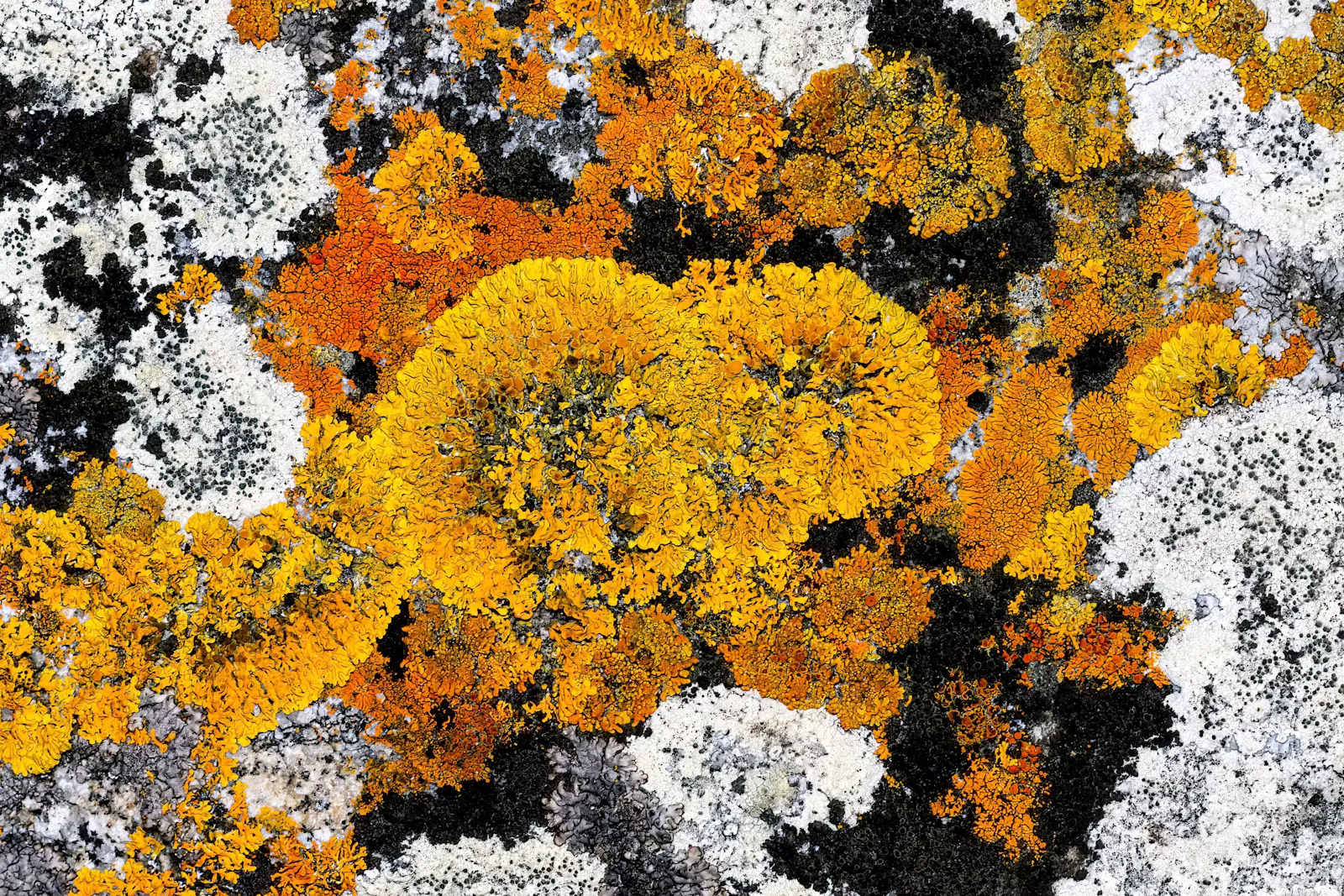
| Lichen | Alga (phycobiont) plus fungus (mycobiont) | Very good pollution indicators: they do not grow in polluted areas | Not named |
The virus history is a three-name sequence. Dmitri Ivanowsky (1892) found that the agent of tobacco mosaic disease passed through bacteria-proof filters. M.W. Beijerinck (1898) named it "virus" and called the fluid Contagium vivum fluidum. W.M. Stanley (1935) showed viruses can be crystallised and that the crystals are mostly protein.
Ten traps in biological classification questions
Each of these comes straight from the current chapter text, and each is a swap examiners like.
- Whittaker gave five kingdoms, in 1969. Linnaeus gave two. Aristotle came first.
- Monera has a noncellulosic wall. Fungi have chitin, plants have cellulose, animals have none.
- Mycoplasma has no cell wall. It is also the smallest living cell known.
- Methanogens live in marshes and ruminant guts. Halophiles are salty, thermoacidophiles are hot springs.
- Heterocysts fix nitrogen. Nostoc and Anabaena, both cyanobacteria.
- Euglenoids have a pellicle, not a wall. Diatoms have silica shells; dinoflagellates have cellulose plates.
- Gonyaulax makes red tides. It is a dinoflagellate, not a red alga.
- Albugo is a phycomycete. Penicillium and yeast are ascomycetes; Puccinia and Ustilago are basidiomycetes.
- Conidia are asexual. Ascospores and basidiospores are sexual.
- Viroids have no protein coat. Prions have no nucleic acid; they are folded protein.
Every wrong answer costs a mark. Under the NEET (UG) 2026 bulletin a correct answer earns four marks and a wrong one loses one, and Biology carries 90 of the 180 questions and 360 of the 720 marks. NTA does not publish chapter-wise question counts, so any exact number you see for this chapter is an estimate. Our page on negative marking in NEET explains when a guess is worth it.
A three-day revision plan
Biological classification is short, thirteen pages (10 to 22) in the 2026-27 reprint, so three focused sittings are enough.
- Day 1: Read section 1.2 of The Living World for the seven ranks, then the opening of Chapter 2. Redraw Table 2.1 from memory and say why fungi left the plant kingdom.
- Day 2: Sections 2.1 and 2.2. Fill the Monera and Protista tables without looking, then match the four protozoan groups to their examples.
- Day 3: Sections 2.3 to 2.6. Fill the fungal class table and the virus table, then answer NCERT Exercises 1 to 12 and a timed set of 30 mixed questions. Log each miss as wall, spore, example or virus fact.
The figures in this chapter are simple specimen drawings; our NEET Biology diagrams guide explains how much time they deserve. Keep the chapter fresh with short rounds of NEET Biology MCQ practice.
For the bigger picture, the NEET 2027 chapter-wise weightage guide on futureMBBS shows where Diversity in Living World sits among the Biology units, its NEET 2027 Biology syllabus page lists every unit, and what is an NCERT book helps if you are deciding how far past the textbook to go.
If biological classification is where easy Botany marks keep slipping, NEETsheet's chapter-wise practice and timed mocks show whether the gap is the kingdom table, the fungal classes or the virus facts, so your next hour goes to the right place. Start at neetsheet.in.
Sources
All links were checked on 17 November 2026.
- National Medical Commission (UGMEB), Syllabus for NEET (UG) 2026, public notice of 22 December 2025 (Biology Unit 1, Diversity in Living World: taxonomical hierarchy; five kingdom classification; Monera, Protista and Fungi; lichens; viruses and viroids): https://cdnbbsr.s3waas.gov.in/s37bc1ec1d9c3426357e69acd5bf320061/uploads/2026/01/202601081066816297.pdf
- National Testing Agency, Information Bulletin NEET (UG) 2026 (Biology 90 questions and 360 of 720 marks; plus four and minus one marking; syllabus FAQ "no change"): https://cdnbbsr.s3waas.gov.in/s37bc1ec1d9c3426357e69acd5bf320061/uploads/2026/02/202602231394640855.pdf
- National Testing Agency, Examination Calendar December 2026 cycle onwards (exams to April 2027, no NEET (UG) 2027 date listed): https://nta.ac.in/Download/Notice/ExamcalendarRevised.pdf
- NCERT, Biology Class 11, Chapter 2 Biological Classification, reprint 2026-27 (sections 2.1 to 2.6, Table 2.1, Figures 2.1 to 2.6, Summary and Exercises): https://ncert.nic.in/textbook/pdf/kebo102.pdf
- NCERT, Biology Class 11, Chapter 1 The Living World, reprint 2026-27 (section 1.2 Taxonomic Categories; 1.7 to 1.8 million known species): https://ncert.nic.in/textbook/pdf/kebo101.pdf
- World Health Organization, Malaria fact sheet, 4 December 2025 (282 million cases and 610,000 deaths in 2024; five Plasmodium species infect humans): https://www.who.int/news-room/fact-sheets/detail/malaria
Frequently Asked Questions
Biological classification is Chapter 2 of NCERT Class 11 Biology. It explains Whittaker's five kingdom system, Monera, Protista, Fungi, Plantae and Animalia, and covers Monera, Protista and Fungi in detail, plus viruses, viroids, prions and lichens. In NEET it is part of Biology Unit 1, Diversity in Living World.
No. The NMC syllabus for NEET (UG) 2026 lists five kingdom classification, Monera, Protista, Fungi, lichens, viruses and viroids in Biology Unit 1, and the NEET (UG) 2026 bulletin says the syllabus did not change from the previous year. No NEET (UG) 2027 syllabus had been published on 17 November 2026.
The seven taxonomic categories are species, genus, family, order, class, phylum (division for plants) and kingdom, from lowest to highest. NCERT teaches this hierarchy in Chapter 1, The Living World, section 1.2, not in Chapter 2, so revise both chapters together.
Yes. The NMC syllabus names every group in it, and its tables suit short factual questions on walls, spores and examples. NTA does not publish chapter-wise question counts, so no exact number is official. Biology as a whole carries 90 of the 180 questions and 360 of the 720 marks.
For most students, yes. The NMC syllabus line matches the NCERT chapter section by section, and the chapter is only thirteen pages. Learn Table 2.1, the protist and fungal groups with their examples and the virus facts, then practise timed questions to find the swaps you still make.