
How to Become a Gastroenterologist in India: Full Route
A gastroenterologist is a doctor who treats diseases of the stomach, intestines, liver, pancreas and bile ducts, mostly with medicines and endoscopes rather than open surgery. In India the route is fixed: MBBS, then a three-year MD or DNB in General Medicine, then NEET-SS, then a three-year DM or DrNB in Medical Gastroenterology. From Class 12, that is about 11.5 years if nothing slips.
What does a gastroenterologist actually do?
A gastroenterologist diagnoses and treats disorders of the whole digestive tract and the liver: acid reflux, ulcers, hepatitis, cirrhosis, pancreatitis, gallstones in the bile duct, bleeding from the gut, inflammatory bowel disease and early cancers. The work is medical plus endoscopic. Open operations belong to a different specialist.
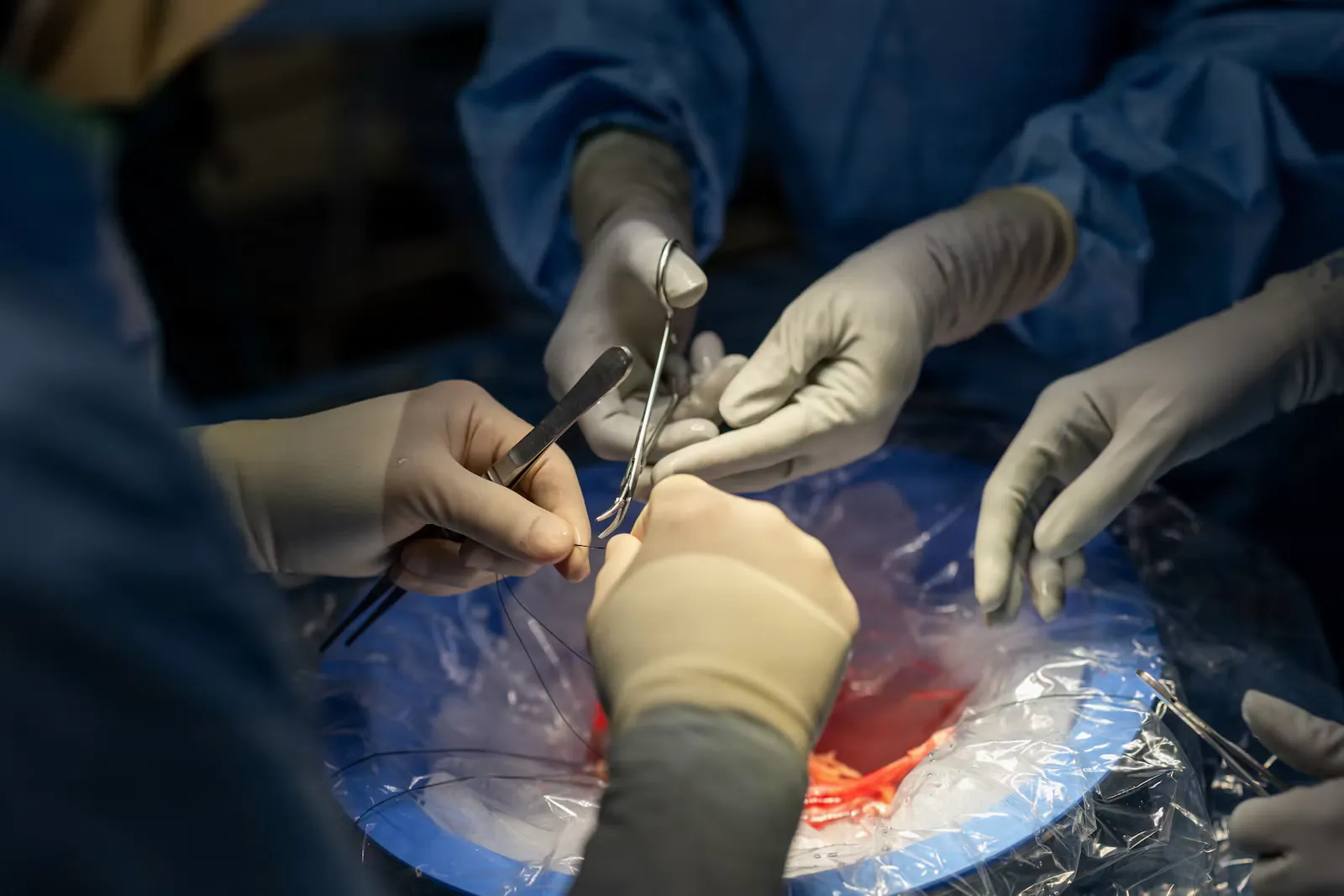
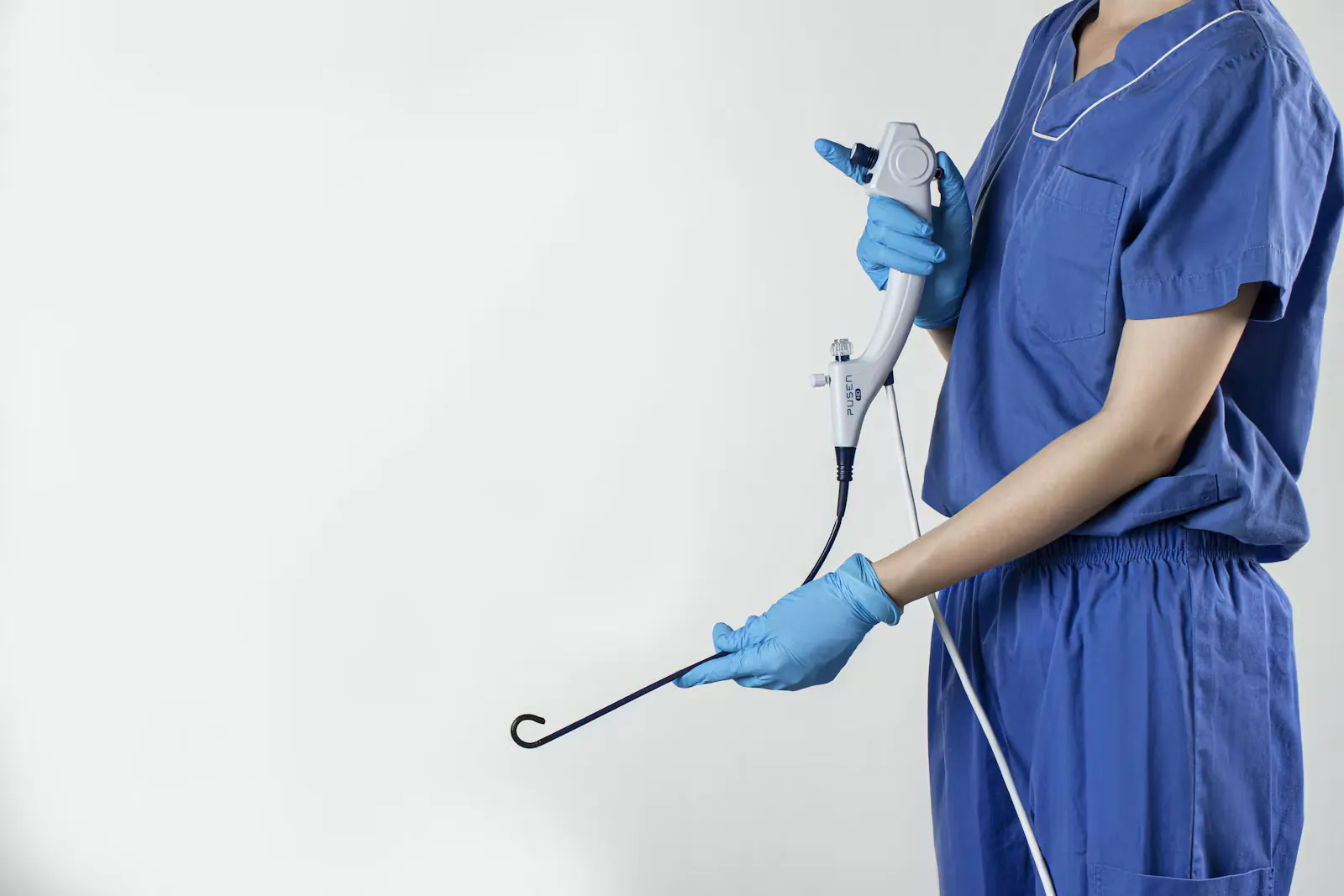
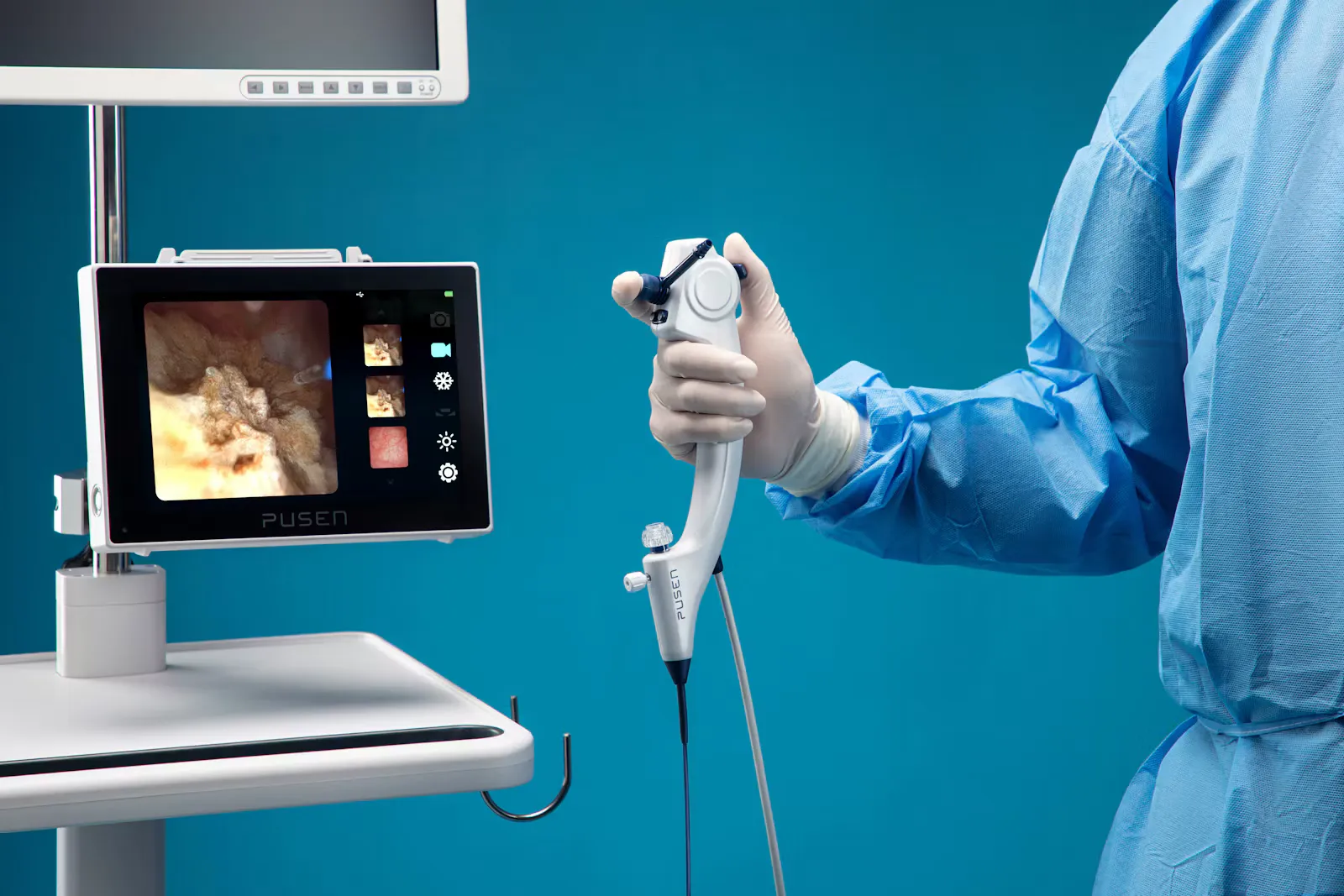
Think of a normal day. Morning in the endoscopy suite: a camera down the throat to check a bleeding ulcer, a colonoscopy to remove a polyp before it turns into cancer, maybe an ERCP to pull a stone out of a blocked bile duct. Afternoon on the ward and in the clinic: a patient with liver failure, a teenager with Crohn's disease, a man whose jaundice nobody has explained yet.
Liver disease alone keeps the specialty busy. The WHO 2024 Global Hepatitis Report estimates that 254 million people live with hepatitis B and 50 million with hepatitis C, and that viral hepatitis kills 1.3 million people a year, the same as tuberculosis. India is one of ten countries that together carry nearly two thirds of the global hepatitis B and C burden. A trained gastroenterologist is often the doctor who finds and treats it.
What is the route to become a gastroenterologist in India?
There is one official route. You clear NEET UG and finish MBBS with the internship, clear NEET-PG and finish a three-year MD or DNB in General Medicine, then clear the Medical Group paper of NEET-SS and complete a three-year DM or DrNB in Medical Gastroenterology.
Here is the whole chain in one table:
| Stage | Exam you sit | What you study | Length |
|---|---|---|---|
| 1. MBBS | NEET UG | Bachelor of Medicine and Bachelor of Surgery, with internship | 5.5 years |
| 2. Broad specialty | NEET-PG | MD or DNB General Medicine | 3 years |
| 3. Super-specialty | NEET-SS (Medical Group) | DM or DrNB Medical Gastroenterology | 3 years |
NMC's Post-Graduate Medical Education Regulations 2023 (PGMER-23) set every broad-specialty degree such as MD at 3 years and every super-specialty course such as DM at 3 years. NBEMS's own guideline for the DNB course says the same: "Duration of Course: 3 Years". DM is the university degree; DrNB is the equivalent from the National Board, offered at NBEMS-accredited hospitals. The NEET-SS 2025 bulletin lists Medical Gastroenterology among the 28 DrNB super-specialties NBEMS offered that year.
What about a direct course straight after MBBS? PGMER-23's Annexure 6 lists exactly two six-year DM or MCh courses: DM Neurology and MCh Neurosurgery. No six-year DM in gastroenterology exists, so the MD year is not optional.
If the alphabet soup is confusing, our post on the difference between MD and MS explains why gastroenterology needs an MD and not an MS.
Which PG degree leads to DM Gastroenterology?
Only MD or DNB General Medicine. That is the single feeder listed for DM or DrNB Medical Gastroenterology in both PGMER-23 Annexure 7 and the NEET-SS 2025 bulletin. If you take MD Paediatrics, your path is DM Paediatric Gastroenterology, a separate course with its own exam group.
One detail trips people up. NBEMS's older training guideline for DNB Gastroenterology says candidates with MD or DNB in General Medicine or Paediatrics may join. The NEET-SS 2025 bulletin is newer and says the feeder rules follow PGMER-23 and its 2025 amendment, and both list General Medicine alone. Follow the bulletin for your own cycle. Feeder lists can change from year to year.
So the decision that really shapes your future as a gastroenterologist happens at NEET-PG counselling, not at NEET-SS. Pick MD General Medicine and you keep gastroenterology open, plus nine other DM options. Pick almost anything else and it closes. For a wider look at what each PG branch leads to, futureMBBS has a good overview of medical specialisations after MBBS.
Gastroenterologist, hepatologist or GI surgeon?
Three specialists work on the same organs, and students mix them up all the time. The difference is the feeder degree and whether you operate.
| Specialist | Super-specialty degree | Feeder degree (NEET-SS 2025) | NEET-SS paper group | Main tools |
|---|---|---|---|---|
| Gastroenterologist | DM or DrNB Medical Gastroenterology | MD or DNB General Medicine | Medical Group | Endoscopes, medicines |
| Hepatologist | DM Hepatology | MD or DNB General Medicine | Medical Group | Medicines, liver procedures |
| Paediatric gastroenterologist | DM Paediatric Gastroenterology | MD or DNB Paediatrics | Paediatric Group | Endoscopes, medicines for children |
| GI surgeon | MCh or DrNB Surgical Gastroenterology | MS or DNB General Surgery | Surgical Group | Open and laparoscopic surgery |
In practice the line between a gastroenterologist and a hepatologist is blurry. NBEMS's own objective for the gastroenterology course is to "practice the art and science of Gastroenterology and Hepatology", so every gastroenterologist trains in liver disease anyway. DM Hepatology is a narrower, newer option for those who want only the liver.
The GI surgeon is a different career. If you love the operating theatre more than the endoscopy room, you belong on the surgical side, with MS General Surgery as your feeder. If medicine is your thing, our guide to becoming a cardiologist in India walks through another specialty on the same Medical Group track.
How does NEET-SS work for gastroenterology?
NEET-SS is the single national entrance exam for every DM, MCh and DrNB seat, run by NBEMS under Section 61(2) of the NMC Act 2019. A future gastroenterologist sits the Medical Group paper, which is built on MD General Medicine at PG exit level, and competes on one merit list for ten super-specialties.
The rules, as the NEET-SS 2025 Information Bulletin sets them out:
| Feature | NEET-SS 2025 rule |
|---|---|
| Questions | 150 multiple choice questions |
| Time | 150 minutes (2 and a half hours) |
| Correct answer | plus 4 marks |
| Wrong answer | minus 1 mark (25% negative marking) |
| Not attempted | 0 |
| Gastroenterology paper | Medical Group, built on MD/DNB General Medicine |
| Qualifying | 50th percentile or above in your group's merit list |
| Normalisation | None; merit is strictly on marks obtained |
| Counselling | Medical Counselling Committee (MCC), DGHS |
The Medical Group covers ten super-specialties together: cardiology, clinical haematology, clinical immunology and rheumatology, endocrinology, medical gastroenterology, hepatology, infectious diseases, medical genetics, nephrology and neurology. Everyone sits the same paper. Your group rank then decides whether a gastroenterology seat is still open when your turn comes in MCC super-specialty counselling.
For timing, look at the 2025 cycle. Applications ran from 5 to 25 November 2025, the Medical Group paper was held on 27 December 2025 from 9:00 AM to 11:30 AM, and results were due by 28 January 2026. Dates move every year, so check the NBEMS NEET-SS page for the cycle you will actually sit.
How many years does it take to become a gastroenterologist?
About 11.5 years from Class 12 with no gap years. MBBS takes five years and six months including the one-year compulsory internship, a duration the government has stated in a PIB release. MD General Medicine adds 3 years and DM Gastroenterology another 3.
Real life adds time. A second NEET-PG attempt, or a year spent preparing for NEET-SS after MD, adds a year each. Plan for 12 to 13 years and be glad if it is less. The early part of the chain, up to NEET-PG, is laid out in our guide on how to become a doctor in India after NEET.
Inside the three years of DM Gastroenterology training
NBEMS's training guideline for DNB Gastroenterology sets out who goes where. Over three years, a trainee spends:
| Posting | Time |
|---|---|
| Gastroenterology ward | 2 years |
| Endoscopy lab | 4 months |
| Gastroenterology ICU | 3 months |
| Emergency ward | 3 months |
| GI surgery, pathology, microbiology, radiology | 15 days each |
The responsibility builds year by year:
- First year: ward and ICU postings, starting a research project, and Doppler ultrasound under supervision.
- Second year: a busier ward, independent outpatient clinics and ultrasound, and upper GI endoscopy started under supervision.
- Third year: independent charge of the wards, independent upper GI endoscopy, and teaching junior doctors.
Along the way the trainee works toward proficiency in diagnostic and therapeutic endoscopy: colonoscopy, polypectomy, banding of varices, liver biopsy, draining liver abscesses and ERCP with papillotomy. There is a seminar, a case presentation and a journal club every week, and a thesis to submit by the end of the course.
Why are DM Gastroenterology seats so few?
Because NMC ties seats to beds and teachers. Under its minimum standard requirements for postgraduate courses, a medical gastroenterology unit needs at least 16 beds to start a super-specialty course with 2 seats. Going to 3 seats needs 20 beds, and 5 seats needs 30 beds.
The unit also needs a professor and an associate or assistant professor before it can start. Each new seat is expensive for a college to create, which is why the number of trained gastroenterologists grows slowly. The exact seat count changes every year and appears only in that year's MCC seat matrix, so we do not quote a number here.
What you can do now, in Class 11 or 12
Honestly, the most useful step toward becoming a gastroenterologist at 16 or 17 is a strong NEET score. Everything after that has its own exam and its own moment of choice. Here is the order that works:
- Get into MBBS. Nothing on this route happens without it. Start with the NEET 2027 exam pattern so you know exactly what the paper looks like.
- During MBBS, take the General Medicine postings seriously and ask to watch endoscopies. You will learn fast whether the work suits you.
- Clear NEET-PG and choose MD or DNB General Medicine at counselling. This is the decision that keeps gastroenterology open.
- In MD, spend extra time on liver and gut cases, and keep your General Medicine basics sharp. The NEET-SS Medical Group paper tests Medicine at PG exit level.
- Sit the Medical Group paper of NEET-SS in your final MD year or right after it.
- Rank your choices carefully in MCC counselling. One merit list serves ten specialties, so decide in advance whether gastroenterology, hepatology or something else comes first.
You do not need to decide today. MD General Medicine is the feeder for many DM courses, so a future gastroenterologist who falls for nephrology or cardiology during residency loses nothing. To see the whole spread of branches side by side, read our post on medical specializations for NEET aspirants.
Every gastroenterologist in India started with a NEET score. If you are building yours now, NEETsheet is our NEET UG prep app: NCERT-aligned questions, full-length timed mocks and a clear view of where you lose marks. Start at neetsheet.in.
Sources
Every rule, date and figure above comes from these official documents, opened and read on 5 October 2026.
- National Board of Examinations in Medical Sciences (NBEMS), NEET-SS overview page (single entrance under Section 61(2) of the NMC Act 2019): https://natboard.edu.in/viewnbeexam?exam=neetss
- NBEMS, NEET-SS 2025 Information Bulletin (important dates, clauses 4.4.6 to 4.4.8 on paper and marking, Table 1 question paper groups, exam schedule, clause 10 qualifying criteria and counselling, Table 6 DrNB courses, feeder lists): https://nbe.edu.in/IB/NEET-SS%202025%20information%20bulletin.pdf
- NBEMS, Guidelines for Competency Based Training Programme in DNB Gastroenterology (eligibility, 3-year duration, postings, year-wise training, procedures, thesis): https://www.nbe.edu.in/mainpdf/curriculum/Gastroenterology-Curriculum.pdf
- National Medical Commission, NMC Compendium 2024, Volume 2: Regulations (PGMER-23, Chapter II course durations, Annexure 2 list of DM courses, Annexure 6 six-year courses, Annexure 7 feeder qualifications): https://nmc.org.in/storage/publications/e-compendium-2024/OhPCE85gIEukF690oyRZDo3p37wrUp22ArQ3FGTM.pdf
- National Medical Commission, NMC Compendium 2024, Volume 2: Minimum Standard Requirement (PGMSR 2023, Category IV super-specialty bed and seat norms): https://nmc.org.in/storage/publications/e-compendium-2024/ZMRkwrHslyIOxOCMNvixTU8YSZfP6INYWZun5W1r.pdf
- World Health Organization, "WHO sounds alarm on viral hepatitis infections claiming 3500 lives each day", news release on the 2024 Global Hepatitis Report, 9 April 2024 (254 million with hepatitis B, 50 million with hepatitis C, 1.3 million deaths a year, ten countries including India carry nearly two thirds of the burden): https://www.who.int/news/item/09-04-2024-who-sounds-alarm-on-viral-hepatitis-infections-claiming-3500-lives-each-day
- Press Information Bureau, 29 November 2016 (MBBS duration of five years six months including one year of internship): https://www.pib.gov.in/newsite/PrintRelease.aspx?relid=154562®=48&lang=2
- Medical Counselling Committee, DGHS (super-specialty counselling): https://mcc.nic.in/
Frequently Asked Questions
No. PGMER-23 lists only two six-year courses that start straight after MBBS, DM Neurology and MCh Neurosurgery. For gastroenterology you first need a three-year MD or DNB in General Medicine through NEET-PG, then a three-year DM or DrNB in Medical Gastroenterology through NEET-SS.
MD or DNB General Medicine. It is the only feeder listed for DM or DrNB Medical Gastroenterology in the NEET-SS 2025 bulletin and in PGMER-23 Annexure 7. A paediatrician with MD Paediatrics goes for DM Paediatric Gastroenterology instead, which is a separate course in the Paediatric Group paper.
About 11.5 years from Class 12 with no gaps: five and a half years of MBBS including the internship, three years of MD General Medicine and three years of DM Gastroenterology. That total is our arithmetic on official course lengths. Each repeat NEET-PG or NEET-SS attempt adds a year.
No. A gastroenterologist holds a DM, a medical super-specialty, and treats with medicines and endoscopic procedures such as colonoscopy and ERCP. Open and laparoscopic operations on the gut are done by a GI surgeon, who holds an MCh in Surgical Gastroenterology after MS General Surgery and sits the Surgical Group paper.
A gastroenterologist covers the whole digestive tract and the liver; a hepatologist focuses on the liver alone. Both start from MD General Medicine and sit the same Medical Group paper of NEET-SS. DM Medical Gastroenterology and DM Hepatology are separate three-year courses listed in PGMER-23.
If your NEET score does not get you a government MBBS seat, the gastroenterologist route is still open through a recognised MBBS degree elsewhere, and futureMBBS explains how to study MBBS abroad and come back for NEET-PG. Whichever way you get there, the licensing step in between will be the National Exit Test (NExT) once NMC brings it in.