
NTA Mock Test for NEET 2027: Practise the Real Screen
The NTA mock test is a free practice tool on the National Testing Agency's own website, and its job is narrow on purpose: it teaches you how a computer based test behaves, not how to answer Biology. You pick an exam from a dropdown, a practice paper opens in the same style of screen NTA uses, and you click through it. That gap matters to every MBBS aspirant right now, because NEET has been announced as moving to a computer based format from 2027 while the questions sitting inside the NTA mock test are not NEET syllabus questions.
What is the NTA mock test, and what does it actually train?
It is NTA's own practice portal for the mechanics of an online exam. The agency states plainly that the mock test exists to familiarise students with the processes of a computer based test, and that the papers are only for practice purposes. You are learning the buttons, the timer and the review screen, not the syllabus.
That sounds small. It is not. In a paper exam you already know how everything works, because you have been filling circles with a pen since Class 6. On a screen you have to learn where the question palette sits, what a marked for review tag does, how the clock behaves, and what happens when you change an answer with four minutes left. None of that is knowledge. All of it costs marks the first time you meet it.
The portal also hands you something no coaching demo can: NTA's own layout, built by the agency that will actually conduct your exam. A private mock looks like whatever the company decided it should look like. The NTA mock test looks like NTA.
Does the NTA mock test give you NEET questions?
No, and this is where most students get it wrong. The portal is exam agnostic. A single dropdown covers JEE Main, UGC NET, NEET, CUET, ICAR and dozens of recruitment tests, and the practice papers behind it exist to demonstrate the software. Do not open it expecting a 180 question NEET paper.
| What you are training | Does the NTA mock test cover it? | Where it actually comes from |
|---|---|---|
| Navigating a computer based test screen | Yes. That is its stated purpose | The NTA mock test |
| NEET syllabus content | No | NCERT, the notified syllabus, your notes |
| A full 180 question paper in 180 minutes | No | Past papers and a full length test series |
| Plus four and minus one under pressure | No | A timed mock with real NEET marking |
| Question by question pacing | Partly, only as a feel for the clock | Full length timed practice |
So it belongs beside your preparation, not inside it. Our guide to mock test strategy covers how many full length papers you need and when. This portal has the separate, much smaller job of making the screen boring before exam day.
How do you open the NTA mock test in five minutes?
There is no login, no fee and no app to install. The whole thing takes one sitting on any laptop or desktop with a browser. Use a real computer with a mouse if you can find one, because practising the interface on a phone teaches you the wrong muscle memory entirely.
- Open the practice page on nta.ac.in. It is linked from the agency's own site, so you are never downloading a file from anywhere else.
- Find the line that asks you to select the exam you would like to appear for, and choose NEET from the dropdown.
- Start the mock test and read the instruction screen properly. In the real thing that screen eats your time if you have never seen it.
- Click every control at least once: next, previous, mark for review, clear response, and the question palette down the side.
- Change an answer on purpose, then change it back, so you know exactly how many clicks that costs.
- Let the timer run out instead of submitting early. You want to have already seen what the last thirty seconds look like.
What does NEET ask of you in 180 minutes?
One question every minute, with nothing spare. The NEET (UG) 2026 information bulletin sets the paper at 180 compulsory questions attempted in 180 minutes, from 2:00 PM to 5:00 PM, for 720 marks. A correct answer earns four marks and a wrong one costs one.
| Subject | Questions | Marks | Minutes at one per question |
|---|---|---|---|
| Physics | 45 | 180 | 45 |
| Chemistry | 45 | 180 | 45 |
| Biology (Botany and Zoology) | 90 | 360 | 90 |
| Total | 180 | 720 | 180 |
Read that bulletin closely and you notice something the headlines skip. It describes NEET (UG) 2026 as a single day, single shift exam in pen and paper mode. No computer based NEET has been notified in an information bulletin yet, so the honest position today is that the switch has been announced and the operational detail is still to come. Our post on the NEET 2027 exam pattern tracks that as it changes.
Does sitting the paper on a screen change your score?
Probably not, and there is a decent experiment behind that. Researchers at the University of Groningen randomly assigned 283 students to sit a high stakes university exam either on a computer or on paper, then published the result in PLOS ONE in 2015. The computer group averaged 28.56 out of 40. The paper group averaged 28.50.
That difference is nothing, and the reported p value of 0.92 says so. Yet after taking the computer version, 50% of the students still said they preferred paper, 28% preferred the computer, and 22% had no preference. Feelings and marks moved in different directions.
Those students were Dutch psychology undergraduates, not Indian NEET aspirants, and one university exam is not a three hour medical entrance. Take the narrow lesson only: the screen itself does not seem to eat your marks, but plenty of people dislike it, and dislike on exam day costs concentration. The NTA mock test is the cheapest way to turn a format you dislike into a format you have already seen.
Where else can you practise on a screen for free?
Two more official places, both run by the government, both without a fee. SATHEE was launched by the Ministry of Education with IIT Kanpur and carries free video lectures, mock tests and NCERT based material for NEET aspirants. Alongside it, NTA publishes every final answer key and question paper on the NEET UG portal after each cycle.
Those two plus the NTA mock test cover most of what you would otherwise pay for. We list the whole official set in our guide to free NEET study material, and if you are weighing up a paid product, the checks in our post on judging a test series are the ones to run first.
How should you fit the NTA mock test into a study week?
Rarely, and briefly. This is not weekly homework. Two sittings well before the exam plus one refresher in the final month is enough for almost everyone, because the interface stops being new after about twenty minutes of honest clicking.
- Sit it once now, early in your cycle, purely to remove the novelty.
- Write down anything that surprised you: a control you could not find, a confirmation box, the way the palette colours change.
- Take your normal full length mocks on a screen wherever you can, so the habit carries across.
- Sit the NTA mock test again after any long gap, or whenever you hear the portal has changed.
- Do one last short run in the final month, on a desktop, at the hour your exam is scheduled.
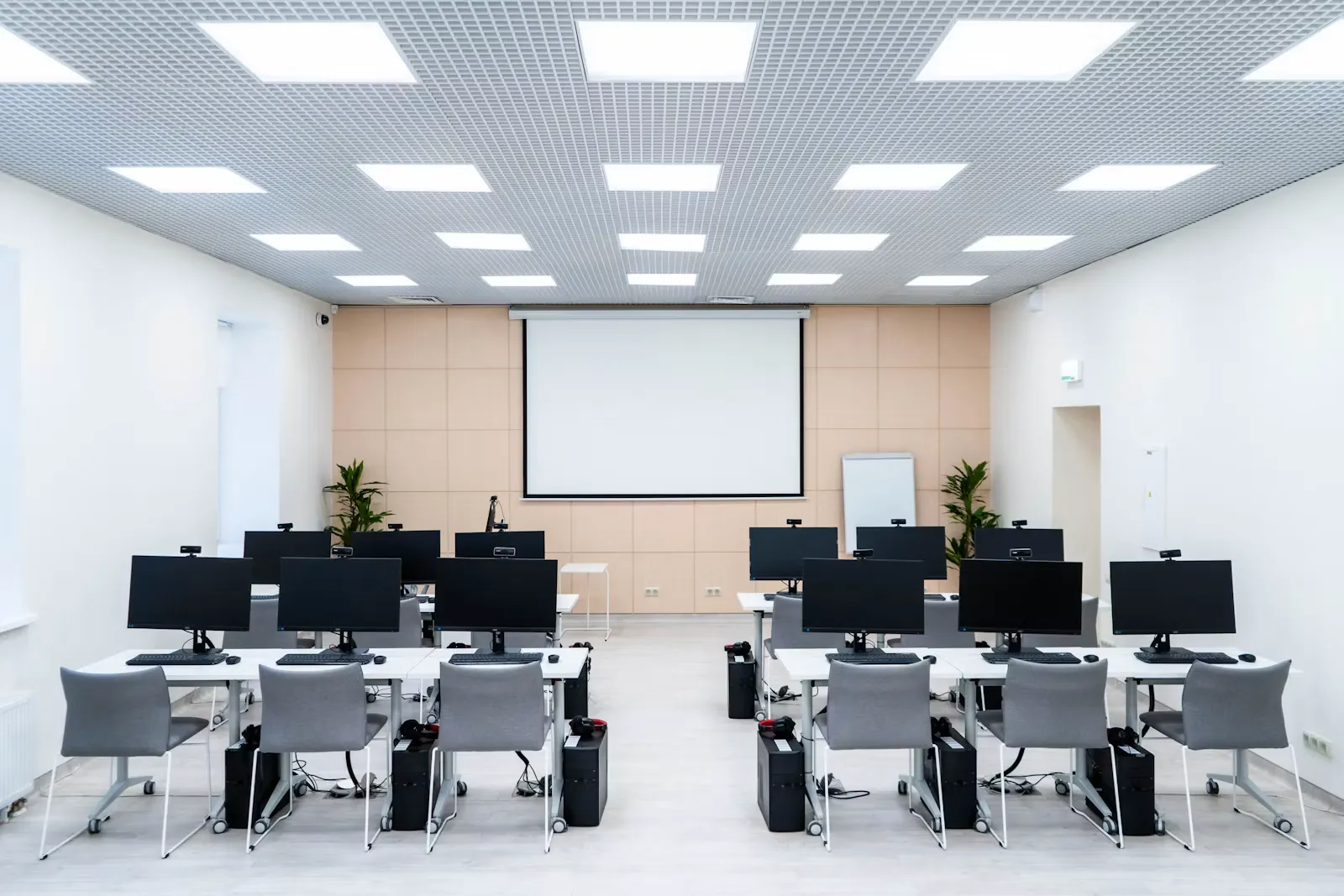
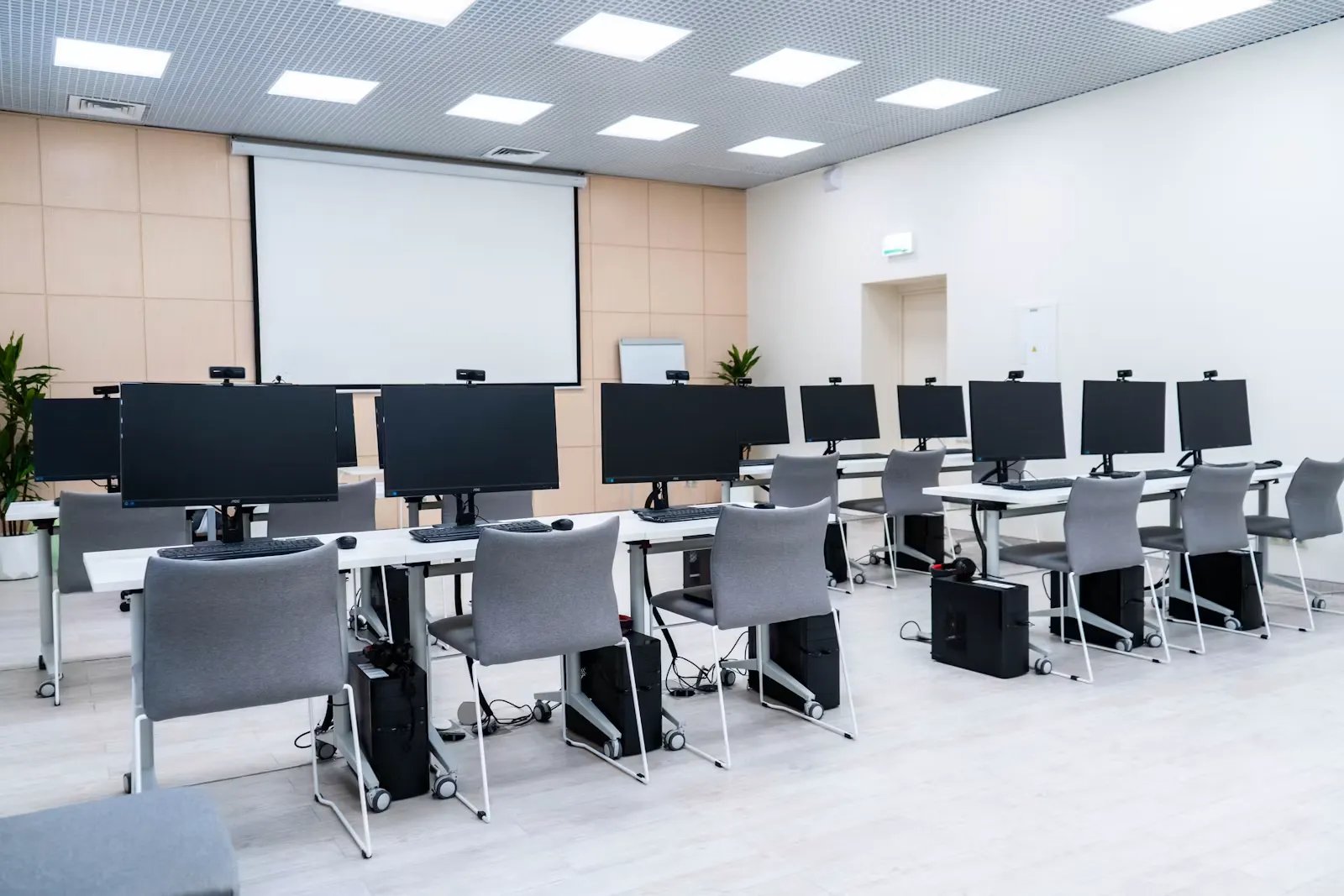
If your school has a computer lab, ask to use it. Practising at a shared desk with a slightly stiff mouse and a neighbour clicking beside you is closer to an exam centre than your own bedroom will ever be. Our computer based test preparation plan goes further into building that habit.
What the NTA mock test cannot do for you
It cannot tell you whether you know Thermodynamics. There is no NEET syllabus behind it, no marks analysis, no chapter wise report, no record of where you keep losing four marks. Those are the jobs of a question bank and a test series, and no amount of interface practice substitutes for them.
It also cannot predict the 2027 format. NTA has said the exam is moving to a computer based mode. Until an information bulletin for NEET (UG) 2027 says so in writing, treat every operational detail you read anywhere as provisional, including on this page.
Keep the screen practice short and go back to the actual work: covering the syllabus and finding out where the marks are leaking. That second part is what we built NEETsheet for, with practice questions and full length mocks that tell you which units are costing you, not just what you scored.
Sources
- National Testing Agency, mock test page (stated purpose of familiarising students with the processes of a computer based test; papers described as only for practice purposes; exam dropdown listing NEET among more than sixty exams), read on 15 September 2026: https://nta.ac.in/Quiz
- National Testing Agency, official website, read on 15 September 2026: https://nta.ac.in/
- National Testing Agency, Information Bulletin NEET (UG) 2026, 23 February 2026 (180 compulsory questions in 180 minutes; 2:00 PM to 5:00 PM; 45 Physics, 45 Chemistry, 90 Biology; 720 marks; plus four and minus one; single day, single shift in pen and paper mode): https://cdnbbsr.s3waas.gov.in/s37bc1ec1d9c3426357e69acd5bf320061/uploads/2026/02/202602231394640855.pdf
- National Testing Agency, press release "NTA Declares Result of NEET (UG) 2026", 16 July 2026: https://cdnbbsr.s3waas.gov.in/s37bc1ec1d9c3426357e69acd5bf320061/uploads/2026/07/20260716477215762.pdf
- NEET (UG) official portal, National Testing Agency (final answer keys and question papers after each cycle), accessed 15 September 2026: https://neet.nta.nic.in/
- SATHEE, Ministry of Education with IIT Kanpur (free video lectures, mock tests and NCERT based material), accessed 15 September 2026: https://sathee.iitk.ac.in/
- Boeve AJ, Meijer RR, Albers CJ, Beetsma Y, Bosker RJ, "Introducing Computer Based Testing in High Stakes Exams in Higher Education: Results of a Field Experiment", PLOS ONE, 2015, via PubMed Central (283 students; 28.56 versus 28.50 out of 40, p = 0.92; 50% preferred paper, 28% computer, 22% no preference): https://pmc.ncbi.nlm.nih.gov/articles/PMC4671535/
All source URLs above were checked live on 15 September 2026.
Frequently Asked Questions
Yes. It sits on the National Testing Agency's own website, needs no payment and no registration, and opens straight from a dropdown of exams. The agency describes the papers as being only for practice purposes, which is the honest description: you are practising the software, not buying a course.
No. The portal is shared across more than sixty exams and the papers behind it exist to demonstrate the computer based test interface. Use it to learn the controls and the timer, then get your subject practice from NCERT, previous year papers and a full length test series instead.
It has been announced as moving to a computer based format, but no NEET (UG) 2027 information bulletin has been published yet. The 2026 bulletin still describes a single day, single shift exam in pen and paper mode. Check the official NEET UG portal before trusting any operational detail.
Two or three sittings are plenty. The interface stops being unfamiliar after roughly twenty minutes of deliberate clicking through every control. Sit it early, note what surprised you, then do one short refresher in the final month rather than treating it as weekly practice.
You can open it, but it defeats the purpose. A real computer based test centre gives you a desktop, a keyboard and a mouse, so practising on a touchscreen trains the wrong habits. Borrow a laptop or use a school computer lab for at least one full sitting.