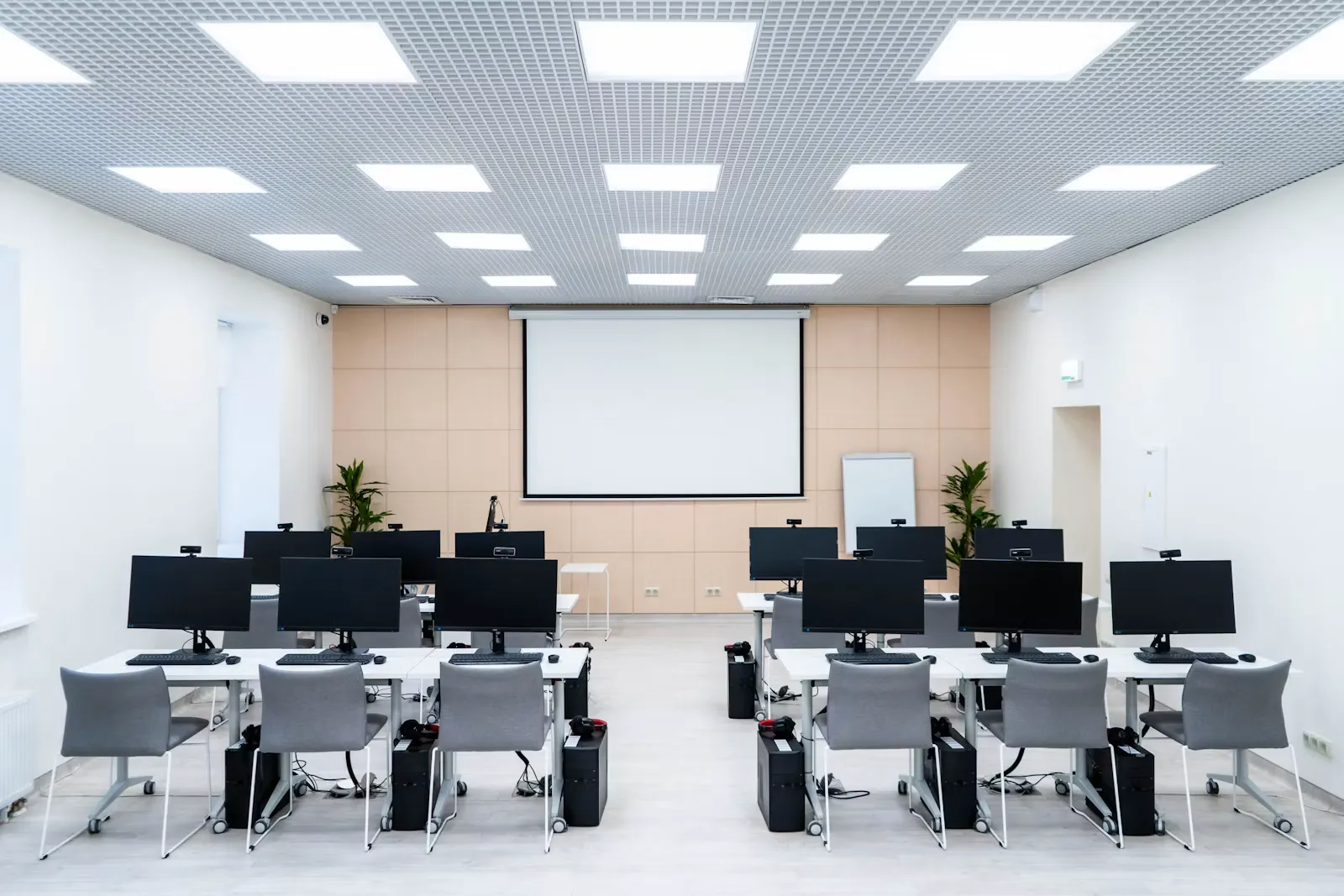
NEET 2027 CBT Mode Preparation: Your Screen-Ready Plan
The biggest change expected for NEET 2027 isn't the syllabus or the marking scheme, it's the way you'll take the exam. After years of the traditional pen-and-paper OMR format, NEET-UG is expected to transition to a Computer-Based Test (CBT) from the 2027 session.
While this may sound like a major shift, the core of the exam is expected to remain unchanged. The syllabus will continue to be based on NCERT Class 11 and 12, the exam is expected to retain its 720-mark structure, and Biology, Physics and Chemistry will continue to carry the same weightage. What changes is the testing interface: instead of filling bubbles on an OMR sheet, you'll answer questions on a computer screen.
For aspirants, this means your preparation strategy doesn't need a complete overhaul. Instead, you'll need to add one important layer to your existing study plan, becoming comfortable with solving questions in a digital exam environment.
This guide explains what is currently known about the CBT transition, what is still awaiting official confirmation from the National Testing Agency (NTA), and how you can start preparing for the new exam format today.
Key Takeaways
- The mode is changing, not the exam. NEET-UG is reported to shift from pen-and-paper OMR to a computer-based test (CBT) from 2027; the NCERT-based syllabus and the 720-mark structure are expected to stay the same.
- Why the switch? The stated aim is exam security — removing printed papers cuts the printing, transport and storage risks that led to the 2026 paper-leak re-exam.
- Multiple shifts and normalisation are likely. With roughly 20+ lakh candidates, reporting suggests NEET 2027 could run across several shifts with percentile-style normalisation, as JEE Main and CUET already use (still to be officially notified).
- The one habit that matters most: practise MCQs on a screen, not just on paper, so the interface, on-screen timer and flag-and-review buttons feel second nature on exam day.
- Nothing about your subject strategy is wasted — your Biology, Physics and Chemistry plans stay the same; you are simply adding a delivery-mode layer on top.
What is changing with NEET 2027 CBT mode?
The biggest change in NEET 2027 is how you take the exam, not what you study. Based on the information available so far, here's what aspirants can expect:
- Computer-Based Test (CBT) format: NEET-UG is expected to move from the traditional pen-and-paper OMR format to a computer-based examination, where candidates will answer questions on a computer screen using a mouse.
- No change to the syllabus: The exam is expected to continue to cover the NCERT-based Class 11 and 12 syllabi for Physics, Chemistry, and Biology.
- Marking scheme likely to remain the same: The current pattern of 180 questions carrying 720 marks, with +4 for every correct answer and −1 for every incorrect answer, is expected to continue unless the NTA announces otherwise.
- Exam security is expected to improve: One of the primary reasons for adopting CBT is to strengthen exam security by reducing the risks associated with printing, transporting and storing physical question papers.
- Multiple shifts may be introduced: Since NEET is taken by over 20 lakh candidates every year, the CBT format may allow the exam to be conducted across multiple shifts. The exact schedule and process will be confirmed by the NTA in the official information bulletin.
- Normalisation may be used if required: If the examination is conducted in multiple shifts, the NTA may introduce a normalisation process to ensure fairness across different sessions. However, the official methodology has not yet been announced.
- Preparation strategy needs a small adjustment: While your subject preparation remains unchanged, you should begin practising MCQs and mock tests on a computer to become familiar with the CBT interface, on-screen timer and navigation tools before the exam.
Does the NEET 2027 syllabus or marking scheme change under CBT?
The short answer is no. Based on the information available so far, the proposed transition to a Computer-Based Test (CBT) changes how you take the exam, not what you study. Here's what is expected to remain the same:
- No change in the syllabus: NEET 2027 is expected to continue following the NCERT-based Class 11 and 12 syllabus for Physics, Chemistry and Biology.
- Same subject weightage: Biology is expected to remain the highest-weighted section with 90 questions (360 marks), while Physics and Chemistry will continue to have 45 questions (180 marks) each.
- 720-mark exam: The total marks are expected to remain 720, with no reported changes to the overall exam structure.
- Unchanged marking scheme: The current marking pattern of +4 marks for every correct answer and −1 mark for every incorrect answer is expected to continue under the CBT format.
- Same exam objective: The exam will continue to assess conceptual understanding and application of Physics, Chemistry and Biology. Only the mode of answering questions is expected to change—from filling OMR bubbles to selecting answers on a computer screen.
- Preparation strategy remains largely the same: Your focus should still be on mastering the syllabus, revising NCERT thoroughly and solving high-quality MCQs. The only addition is regular practice in a computer-based environment to become comfortable with the CBT interface.
Your day-to-day NEET 2027 CBT mode preparation routine
The subject work is unchanged, so the added layer of NEET 2027 CBT mode preparation is about interface fluency and screen stamina. Build these habits into your routine now, so the mode feels boring — in the best way — by exam day:
- Practise MCQs on a screen every day. Shift a share of your daily question practice from paper to a computer or phone screen, so reading a stem, scanning options and clicking an answer becomes automatic.
- Master the on-screen tools. Learn to use the question palette, the "mark for review" flag, next/previous navigation and the on-screen countdown timer — these replace flipping pages and glancing at a wall clock.
- Do rough work efficiently. In CBT you calculate on a provided sheet while reading from the screen, so practise Physics and Chemistry numericals by working on paper with the problem on a monitor beside you.
- Train your eyes for screen reading. Sit full-length sessions on a screen to build stamina and reduce fatigue; take structured breaks in study, not in the mock, so 3 hours on a monitor feels normal.
- Rehearse a click-through strategy. Decide in advance how you will attempt Biology first, flag doubtful questions and return to them — then practise that exact sequence in on-screen mocks until it is a reflex.
Notice that none of these steps ask you to learn new content. They convert the knowledge you already have into clicks and timing under a computer-based test. That is the entire edge NEET 2027 CBT mode preparation buys you.
Turn NCERT chapters into on-screen practice today. NEETsheet is built exactly for this: NCERT-aligned MCQs and full-length mock tests you attempt on a screen, with instant analysis, so you rehearse the CBT surface every day. Start practising free on NEETsheet and make the computer-based test feel routine long before 2027.
What does research say about switching test modes?
You might worry that moving to a screen could hurt your score. The reassuring evidence is that any "test mode effect" tends to shrink as candidates become familiar with the computer format — which is exactly what practice fixes. In a controlled study, Clariana and Wallace (2002) compared identical multiple-choice tests delivered on computer versus paper and found that mode can shift scores, but that higher-attaining, well-prepared students adapted quickly and even benefited from the computer version; the authors concluded that as students grow as familiar with computer testing as they are with paper, the mode effect should fade.
Translated to your prep: the students who lose marks to a new interface are the ones who never practised on it. The students who gain — or at least stay neutral — are the ones who made the screen boringly familiar. That is why "practise on a screen" sits at the centre of any honest NEET 2027 CBT mode preparation plan, not as a gimmick but as the one variable you fully control.
Source
Frequently Asked Questions
The shift to computer-based testing from 2027 has been publicly stated by the Education Minister (15 May 2026) and submitted by the NTA to the Supreme Court, so the intent is clear. However, the full operational notification — shift timings, test cities and centre rules — is expected only when the NTA releases the official NEET 2027 information bulletin. Treat the mode as reported-and-expected until then, and confirm on neet.nta.nic.in.
No. The reported change is only the delivery mode — from OMR paper to computer screen. NEET 2027 is still expected to test the same NCERT-based Physics, Chemistry and Biology syllabus, so your subject strategy does not change. NEET 2027 CBT mode preparation is your existing plan plus a layer of on-screen practice, not a new syllabus.
The current NEET pattern is 180 questions for 720 marks (Biology 90, Physics 45, Chemistry 45) with +4 for correct and −1 for wrong answers, and this structure is expected to continue under CBT. Any change would be announced in the official NEET 2027 notification, so verify the final pattern there before your last revision phase.
Use any laptop or phone. Move a share of your daily MCQs onto a screen, take full-length mocks on a device, and learn the on-screen timer, question palette and "mark for review" flag. Apps like NEETsheet let you attempt NCERT-aligned questions and mock tests on screen with instant analysis, which is the closest daily rehearsal for the CBT interface.
Because NEET draws over 20 lakh candidates, reporting suggests it could run in multiple shifts with percentile-style normalisation, similar to JEE Main and CUET. This was not officially notified as of mid-2026, so treat shift counts and the exact formula as provisional until the NTA confirms them.