How to Become a Neurosurgeon in India: Two Real Routes
If you are asking how to become a neurosurgeon in India, the short answer is that you need three qualifications, not one. A neurosurgeon in India is a doctor who holds MBBS and then a recognised super-specialty qualification in neurosurgery — an MCh, a DrNB, or the older DNB — awarded after supervised training in a recognised department. There are exactly two official routes to that qualification, both run through exams conducted by the National Board of Examinations in Medical Sciences (NBEMS). This guide walks both of them, using only what NBEMS itself publishes.
What exactly is a neurosurgeon, and who decides who becomes one?
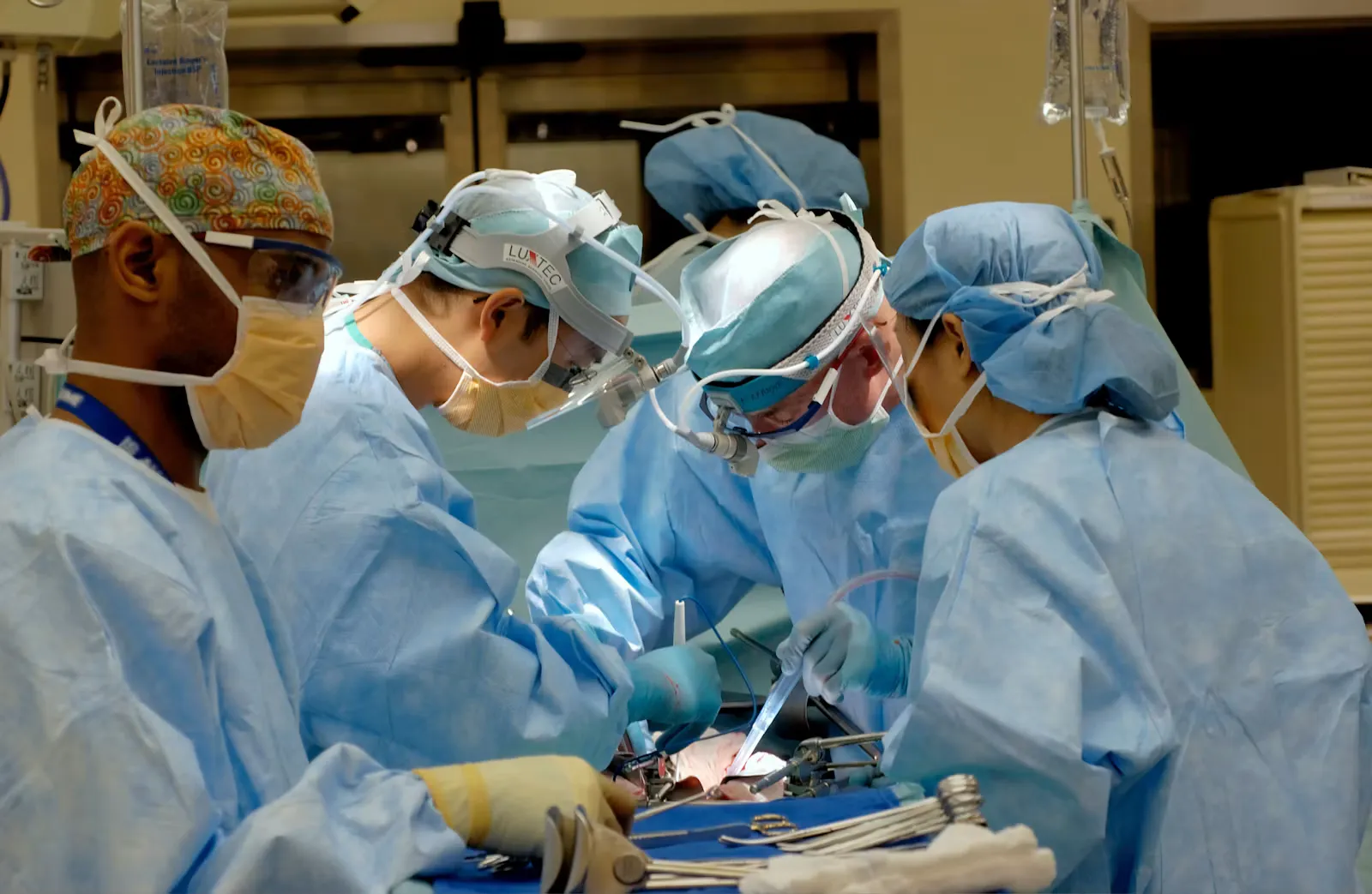
A neurosurgeon operates on the brain, spine and peripheral nerves. In India, the title rests on a recognised super-specialty qualification, not on interest or experience. NBEMS — an autonomous body under the Ministry of Health and Family Welfare — sets the entrance exams, the training curriculum and the exit examination for the DrNB and DNB routes.
That matters because it makes the path unusually well documented. NBEMS publishes the curriculum for each programme — how many years it runs, what you rotate through, and the minimum number of operations you must have done before the final exam. Very little about how to become a neurosurgeon in India is guesswork.
The other half of the picture is the university route. Colleges and institutes award the MCh — Magister Chirurgiae — in neurosurgery, and those seats fill through the same national entrance exam that NBEMS runs for its own DrNB seats. So the degree letters differ; the gate does not.
How to become a neurosurgeon in India: the two official routes
Route one is the classic answer to how to become a neurosurgeon in India. You finish MBBS, clear NEET-PG, take MS in General Surgery, then clear NEET-SS and do a three-year super-specialty in neurosurgery. Route two skips the middle degree: a direct six-year post-MBBS DrNB in neurosurgery, entered through NEET-PG.
Route | Entrance exams | What you start with | Training after MBBS | What you end with |
|---|---|---|---|---|
Broad specialty first | NEET-PG, then NEET-SS | MBBS + one-year internship | 3 years MS General Surgery + 3 years super-specialty | MCh or DrNB Neurosurgery |
Direct super-specialty | NEET-PG only | MBBS + one-year internship | 6 years in one programme | DrNB Neurosurgery |
NBEMS's own guideline document for the direct programme is blunt about the gate: "Admission to 6 years post MBBS DNB Neurosurgery course (6 Years) is only through Entrance Examination conducted by NBE and Centralized Merit Based Counseling." The NEET-PG information bulletin confirms which exam that is — post-MBBS direct six-year DrNB courses are admitted through NEET-PG.
The post-MS programme sits in a separate NBEMS guideline with its own one-line answer on length: "Duration of Course : 3 Years". Both documents are public, and both are the reason anyone asking how to become a neurosurgeon in India can plan in years rather than rumours.
Course lengths from NBEMS's own guideline documents for DNB/DrNB Neurosurgery (3 years post-MS; 6 years post-MBBS direct) and the MBBS duration of five years six months including a one-year internship stated by the Ministry of AYUSH. The 11.5-year totals and the 4.5-year coursework figure are our own arithmetic on those official numbers, not a separately notified figure.
Why does the shortcut take exactly as long?
Because the maths lands in the same place. Three years of MS General Surgery plus three years of super-specialty is six years. The direct programme is six years in one block. So the direct route removes an exam and a degree, not time. Anyone weighing how to become a neurosurgeon in India should know that before choosing.
What it really removes is uncertainty. Route one has two competitive gates years apart — NEET-PG for a General Surgery seat, then NEET-SS for a neurosurgery seat — and either can cost you a cycle. Route two has one, and if you get the seat your training is settled on day one.
The trade-off is flexibility, and it is the real fork in how to become a neurosurgeon in India. Route one leaves you with a full MS General Surgery degree even if neurosurgery does not work out; you can practise as a general surgeon or aim at a different super-specialty. Route two commits you to neurosurgery at the age of about 24, before you have operated on anything. NBEMS builds a hedge into that first year — the direct trainee spends year one in General Surgery with rotations through orthopaedics, plastic surgery, paediatrics and ENT — but the seat is still a neurosurgery seat.
Which exams stand between Class 12 and the operating theatre?
Three, in a fixed order. NEET UG gets you into MBBS. NEET-PG, taken during or after your internship year, gets you into a broad specialty or into a direct six-year DrNB. NEET-SS gets you from a broad specialty into a super-specialty. Route two skips only the third.
NEET-PG eligibility is precise. You need an MBBS degree or provisional pass certificate, a permanent or provisional registration certificate, and you must have completed one year of internship or be due to complete it by that admission session's cut-off date. That last clause is why an extended or delayed internship can cost a whole PG cycle.
NEET-SS eligibility is narrower still. You must already hold — or be about to hold — a recognised MD, MS or DNB in a specialty that counts as an eligible feeder for the super-specialty you want. Holding any PG degree is not enough. The feeder list decides everything.
And there is no side door. NBEMS states plainly that since the 2017 admission session, "no other entrance examination, either at the state or the Institution level, shall be valid for entry to DM/MCh/DrNB Super specialty courses". State governments and private universities may not run their own, which is why how to become a neurosurgeon in India has one answer nationwide.
What does NEET-SS actually test, and how is it marked?
NEET-SS is a single computer-based paper of 150 questions to be attempted in two and a half hours. Each correct answer earns 4 marks and each wrong one loses 1 — a flat 25 per cent negative marking. Unattempted questions score zero. There is one paper per group of super-specialties, not one per subject.
The group system is the part most explanations of how to become a neurosurgeon in India skip. Neurosurgery is covered in the Surgical Group, whose primary eligible feeder is MS or DNB General Surgery. Under NBEMS's own rule, when more than one broad specialty is an eligible feeder for a super-specialty, candidates from all of those feeders must sit the paper of the group in which that super-specialty is covered.
So an ENT surgeon who wants neurosurgery does not get an ENT paper. They sit the Surgical Group paper alongside general surgeons, at general-surgery exit level. Qualifying in a group also limits your choices: in counselling you may only pick subjects covered in that group for which your own broad specialty is a listed feeder. It is the least-known part of how to become a neurosurgeon in India.
Which broad specialties count as a feeder for neurosurgery?
Three. NBEMS's NEET-SS information bulletin lists MS or DNB in General Surgery, MS or DNB in Otorhinolaryngology, and MS Traumatology and Surgery as the eligible feeder qualifications for MCh or DrNB Neurosurgery. Nothing else on the broad-specialty list qualifies you, however closely related it feels.
Feeder qualification you hold | Eligible for | Paper you sit |
|---|---|---|
MS or DNB General Surgery | MCh / DrNB Neurosurgery | Surgical Group |
MS or DNB Otorhinolaryngology (ENT) | MCh / DrNB Neurosurgery | Surgical Group |
MS Traumatology and Surgery | MCh / DrNB Neurosurgery | Surgical Group |
Read that table alongside your MBBS timetable and the practical lesson is obvious. If neurosurgery is the goal and you take route one, General Surgery is the safe feeder — it is the group's primary feeder, and it also opens urology, paediatric surgery, surgical oncology, vascular surgery and several more. Choosing ENT keeps neurosurgery open but narrows almost everything else.
The same bulletin also settles a common worry: MD General Medicine, Anaesthesiology and Radiology are feeders for their own groups, not for neurosurgery. A medicine PG cannot cross over. That single rule about how to become a neurosurgeon in India is often the difference between a plan that works and one that stalls three years in.
Where can you actually train for this?
Almost everywhere, through the national counselling — with five named exceptions. NBEMS states that AIIMS New Delhi and the other AIIMS, PGIMER Chandigarh, JIPMER Puducherry, NIMHANS Bengaluru and Sree Chitra Tirunal Institute for Medical Sciences and Technology in Trivandrum are not covered by centralised admission for DM/MCh seats.
Those five run their own admission processes, and several are the country's best-known neuroscience centres. If they are on your list, treat their notifications as a separate track you follow yourself — not something the national counselling will hand you.
Everything else is inside the system: all DM/MCh courses in the country including private colleges, deemed universities and Armed Forces Medical Services institutions, plus all DrNB super-specialty courses except the direct six-year ones, which come through NEET-PG. For most people, that national counselling is how to become a neurosurgeon in India in practice.
How much operating do you actually have to do?
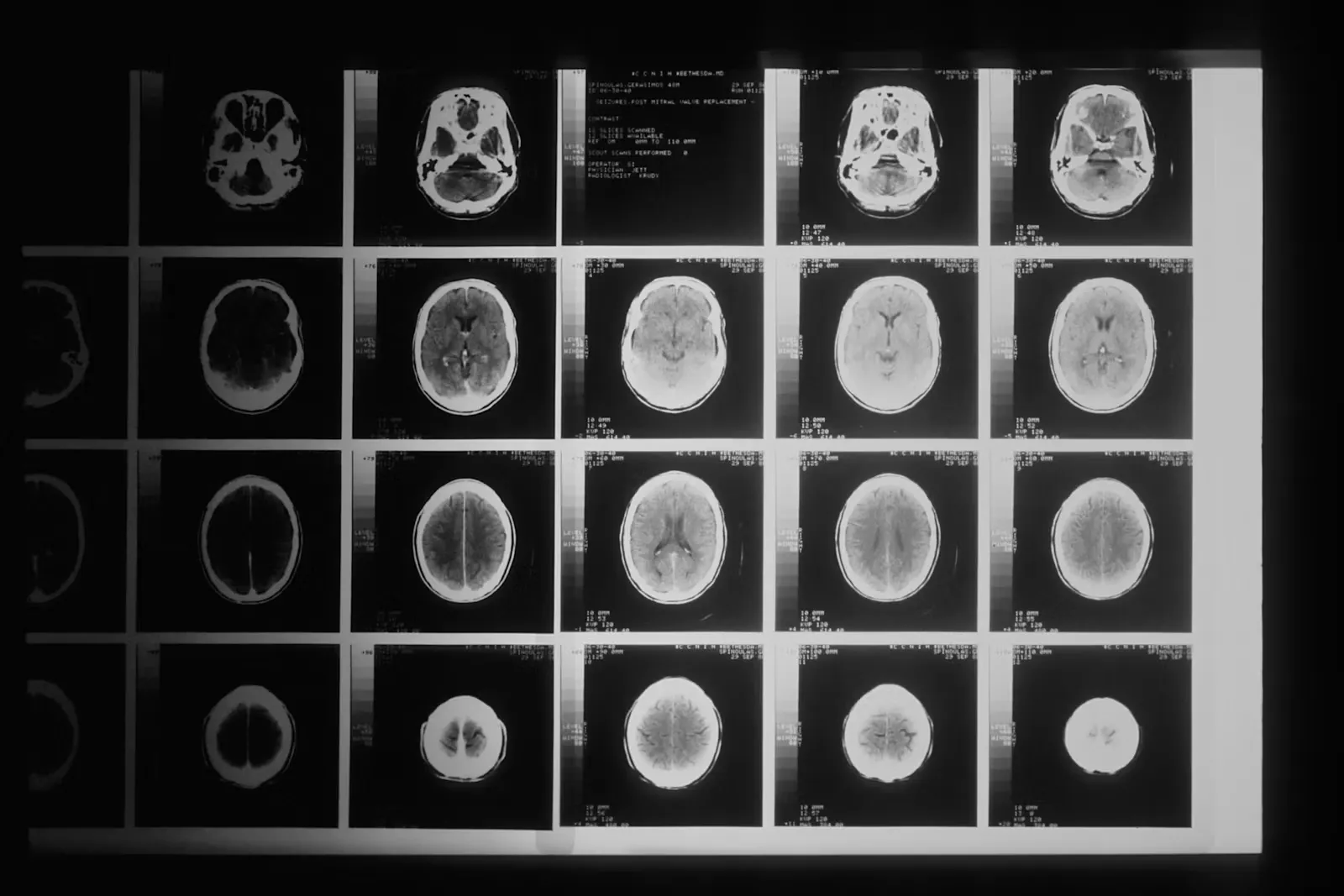
More than most people picture, and it is written down. NBEMS's neurosurgery curriculum sets a mandatory minimum of 200 to 250 case exposures across the whole programme, at least two operating-theatre days a week including trauma, and roughly one-third cranial and one-third spinal work.
The operative floor in how to become a neurosurgeon in India, taken from the National Board of Examinations guideline documents for the DNB/DrNB Neurosurgery programmes: 200–250 case exposures for the whole training programme, with at least 30 surgeries performed independently on the three-year course and 50 on the six-year course.
Two numbers in that chart do a lot of work. The independent-surgery minimum is a floor, not a target, and it is deliberately higher on the six-year route because you have more time. The 200–250 total is exposure — assisting, observing, operating under supervision — and it is the part of how to become a neurosurgeon in India that turns a trainee into someone who can be left alone in a theatre.
There is also a thesis. NBEMS requires trainees to submit one at the end of the three-year or six-year programme, and it is tied to eligibility for the final examination. Nobody asking how to become a neurosurgeon in India expects a research requirement, and it catches people out.
Three things people get wrong about this path
Three things, repeatedly. First, that neurosurgery is a branch you pick during MBBS — it is not; you pick it at NEET-PG or NEET-SS, years later. Second, that any PG degree lets you apply. Third, that the six-year route is faster. None of them survive a look at the documents that actually govern how to become a neurosurgeon in India.
A fourth misconception is quieter and more damaging: that the whole plan is settled at 17. It is not. Route one gives you two separate decision points — one after your internship, one three years later — and plenty of people who finish MS General Surgery choose something else entirely once they have operated for three years. Deciding at 17 that you must be a neurosurgeon is neither necessary nor, honestly, possible.
The scale of the funnel is worth seeing plainly too. Close to 20 lakh candidates appeared for NEET (UG) 2026 and 11.21 lakh qualified, while the government reports that postgraduate seats across all specialties grew by 29,080 between the 2020–21 and 2025–26 academic years. Super-specialty neurosurgery seats are a small slice of a much smaller number, which is the least comfortable fact about how to become a neurosurgeon in India.
What should a NEET 2027 aspirant do about this now?
Very little that is neurosurgery-specific. Your next real gate is NEET UG, and nothing about the neurosurgery route changes how you prepare for it. What you can do is stop guessing about how to become a neurosurgeon in India and check it once against the primary documents, so it stops taking up space in your head.
- Read the two NBEMS neurosurgery guideline documents once — the three-year and the direct six-year one. Twenty minutes now saves years of hearsay.
- Note that your first decision point is after your internship, not now. Write it down and close the tab.
- Check neet.nta.nic.in for the NEET (UG) 2027 notification rather than relying on forwarded messages about dates or exam mode.
- Confirm you meet the basic NEET UG conditions using our guide to NEET 2027 eligibility criteria.
- If you are still deciding between specialties, read the wider map in medical specializations for NEET aspirants and the full pathway in how to become a doctor in India.
- Then go back to Physics, Chemistry and Biology. That is the only part of how to become a neurosurgeon in India that is in your hands this year.
Sources
- NBEMS — NEET-SS overview and eligibility; no state or institute entrance valid since the 2017 session (accessed 24 August 2026): https://natboard.edu.in/viewnbeexam?exam=neetss
- NBEMS — NEET-PG overview and eligibility, including the internship condition (accessed 24 August 2026): https://natboard.edu.in/viewnbeexam?exam=neetpg
- NBEMS — NEET-SS 2025 Information Bulletin (clauses 4.4.6–4.4.8; Table 1 paper groups; feeder qualifications for Neurosurgery): https://nbe.edu.in/IB/NEET-SS%202025%20information%20bulletin.pdf
- NBEMS — NEET-PG 2025 Information Bulletin (clause 2.1, direct six-year DrNB admission): https://nbe.edu.in/IB/IB%20NEET-PG%202025.pdf
- National Board of Examinations — DNB Neurosurgery training guidelines ("Duration of Course : 3 Years"): https://nbe.edu.in/mainpdf/curriculum/Neurosurgery.pdf
- National Board of Examinations — DNB Neurosurgery (Direct 6 Years Course) training guidelines (six years post-MBBS; rotations; 200–250 cases; 30/50 independent surgeries): https://nbe.edu.in/mainpdf/curriculum/Neurosurgery%20direct%206%20yrs.pdf
- Press Information Bureau, Ministry of AYUSH — MBBS runs five years six months including one year of internship, 29 November 2016: https://www.pib.gov.in/newsite/PrintRelease.aspx?relid=154562
- Press Information Bureau, Ministry of Health and Family Welfare — "Update on Medical Education" (PG seats up 29,080 from AY 2020–21 to 2025–26), 13 February 2026: https://www.pib.gov.in/PressReleasePage.aspx?PRID=2227421®=3&lang=1
- National Testing Agency — NEET (UG) 2026 result press release, 16 July 2026: https://cdnbbsr.s3waas.gov.in/s37bc1ec1d9c3426357e69acd5bf320061/uploads/2026/07/20260716477215762.pdf
- NEET (UG) official portal, National Testing Agency (accessed 24 August 2026): https://neet.nta.nic.in/
Frequently Asked Questions
About 11.5 years from Class 12 if nothing slips — five and a half years of MBBS including the compulsory internship, then six more years of training on either route. That total is our own arithmetic on the course lengths NBEMS and the government publish, not a single official figure.
Yes, through the direct six-year post-MBBS DrNB Neurosurgery programme. Admission is only through NEET-PG followed by NBEMS's centralised merit-based counselling. You still need your MBBS degree, registration and a completed one-year internship, exactly as for any other NEET-PG seat.
They are different awarding routes to the same super-specialty level, entered through the same exam. MCh comes from a university or institute; DrNB is awarded by NBEMS. Which one you get depends on the seat you are allotted in counselling, not on a separate choice you make earlier.
Not necessarily. General Surgery is the primary feeder and the safest choice, but NBEMS also lists MS or DNB Otorhinolaryngology and MS Traumatology and Surgery as eligible feeders for neurosurgery. All three sit the same Surgical Group paper in NEET-SS.
A switch to computer-based testing from 2027 has been announced by the Union Education Minister, but the operational notification is still awaited. Treat only what appears on neet.nta.nic.in as final, and prepare for the syllabus rather than for a format that has not been notified yet.
One computer-based paper of 150 questions in two and a half hours, with +4 for a correct answer, −1 for a wrong one and zero for anything unattempted. Neurosurgery sits in the Surgical Group paper, pitched at general-surgery exit level regardless of which feeder specialty you hold.
Neurosurgery is a decision for your late twenties. NEET is the decision in front of you. If you are revising for it, NEETsheet is our app for practice questions and full-length mocks — the part of how to become a neurosurgeon in India you can actually work on today.